
In today’s industrial economy, Global Industrial reviews often reflect how procurement is no longer driven solely by price or availability. Businesses increasingly depend on speed, visibility, and operational reliability to stay competitive. Early in this shift, modern industrial suppliers are evolving beyond traditional distribution models to meet the demands of data-driven operations and complex supply chains.
Across manufacturing, warehousing, healthcare, education, and government sectors, organizations expect suppliers to function as strategic partners rather than transactional vendors. This expectation has pushed industrial distributors to invest heavily in logistics technology, digital infrastructure, and customer-centric service models.
The Growing Demand for Smarter Industrial Supply Chains
Industrial buyers face mounting pressure to reduce downtime, control costs, and improve efficiency. Delays in receiving critical equipment or replacement parts can ripple across operations, impacting productivity and profitability.
To address these challenges, modern suppliers are prioritizing real-time inventory visibility, faster fulfillment cycles, and predictive supply planning. Advanced analytics now play a central role in anticipating customer needs, optimizing stock levels, and minimizing disruptions.
Rather than reacting to shortages, data-driven supply chains focus on prevention, accuracy, and resilience.
Leveraging Data to Improve Inventory Availability
One of the most significant shifts in industrial procurement is the use of data to inform inventory decisions. By analyzing purchasing patterns, seasonal trends, and customer behavior, suppliers can position inventory closer to demand.
This approach reduces lead times and improves order accuracy. It also helps organizations avoid overstocking slow-moving items while ensuring critical products remain readily available.
Smarter inventory management supports both large-scale operations and smaller businesses that rely on consistent access to essential equipment and supplies.
Distribution Centers as Strategic Assets
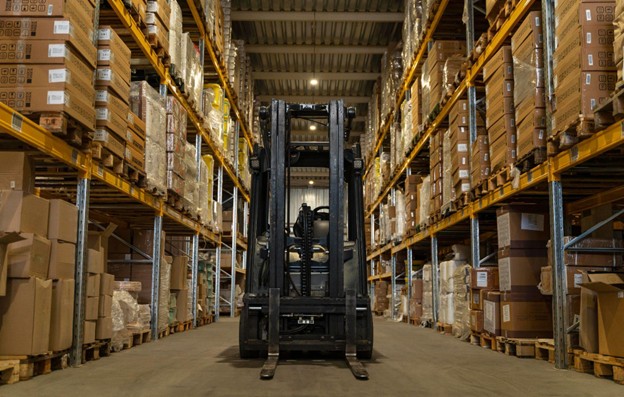
Distribution centers have become far more than storage facilities. Today, they function as high-efficiency fulfillment hubs designed to support rapid order processing and last-mile delivery.
Automation, optimized warehouse layouts, and advanced picking systems allow suppliers to handle high order volumes with precision. These improvements speed delivery and reduce errors, contributing to greater customer confidence and operational consistency.
Well-positioned distribution centers help industrial suppliers serve regional markets more effectively while maintaining national reach.
Digital Platforms Transforming the Buying Experience
Industrial procurement has traditionally been relationship-driven and manual. That model is rapidly evolving as buyers expect the same digital convenience they experience in other areas of business.
Robust e-commerce platforms now allow customers to browse extensive catalogs, compare specifications, track orders, and manage accounts in real time. Integrated digital tools streamline purchasing workflows and reduce administrative burden for procurement teams.
These platforms also give useful information about buying behavior, enabling suppliers to continually refine their offerings and service models.
Supporting Diverse Industries With Scalable Solutions
Industrial suppliers serve a wide range of industries, each with distinct requirements. From healthcare facilities and educational institutions to manufacturing plants and municipal operations, flexibility is essential.
Scalable supply models allow organizations of different sizes to access consistent service levels without unnecessary complexity. Whether supporting a single facility or a multi-location enterprise, adaptable logistics and fulfillment strategies ensure reliability across diverse operational environments.
This versatility has become a defining factor in long-term supplier partnerships.
Sustainability and Efficiency in Industrial Operations
Sustainability is increasingly intertwined with operational efficiency. Optimized routing, reduced packaging waste, and energy-efficient facilities contribute to both environmental goals and cost savings.
Data-driven logistics help minimize excess transportation and improve load efficiency, reducing the overall environmental footprint of industrial distribution. These efforts align with broader corporate responsibility initiatives while delivering tangible operational benefits.
Efficiency and sustainability are no longer competing priorities but complementary objectives.
Resilience in an Unpredictable Global Market
Recent global disruptions have underscored the importance of supply chain resilience. Industrial organizations now prioritize suppliers capable of adapting quickly to changing conditions.
Diversified sourcing, flexible fulfillment strategies, and robust contingency planning help mitigate risk. Suppliers that invest in these capabilities provide customers with greater confidence during periods of uncertainty.
Resilience is no longer optional; it is a core expectation of modern industrial partnerships.
The Role of Knowledge Sharing in Procurement Decisions
Beyond products and logistics, industrial buyers value access to reliable information. Educational resources, product guidance, and operational insights support better decision-making.
Knowledge centers and industry-focused content help customers understand best practices, emerging technologies, and regulatory considerations. This emphasis on education strengthens trust and positions suppliers as long-term advisors rather than simple distributors.
Informed customers are better equipped to optimize their operations and achieve sustainable growth.
Looking Ahead: The Future of Industrial Supply
As technology continues to advance, industrial procurement will become even more interconnected and data-driven. Artificial intelligence, predictive analytics, and automation will further enhance forecasting accuracy and fulfillment efficiency.
Suppliers that embrace innovation while maintaining service reliability will be best positioned to support evolving customer needs. The future of industrial supply lies in combining operational excellence with digital intelligence.
For organizations navigating increasingly complex operational landscapes, choosing a forward-thinking supply partner can make a measurable difference.